Such as the ancient city of Mahdia factor in the development of tourism in the region and to the richness of its stockpile heritage and historical and cultural heritage, along with the different activities of this city and the extent to keep pace with the development taking place in Mahdia in various stages, and their contribution in attracting immigrants to the city as a tack tourist unique. Fetra archaeological evidence of the succession of civilizations and diversity of the city, prompting the municipality to support the efforts of the restoration of monuments and maintenance, the city also features antique architectural character distinct in terms of the diversity of forms of traditional architecture and the reason for this is due to the difference in the old arrivals from various flung.
There is also the Great Mosque and the Casbah, which was built late sixteenth century. And between the mosque and the many ancient Casbah Atharromagnh.
Going through the South Mahdia across many farms are irrigated by Aquarius, which are animals running and extract water from the wells of the many in the region, which is usually an irrigation well known and widespread in all parts of Morocco, until you reach the road to failure Sava distance of 12 km south of Mahdia, a small town. Street to the east fork hand bridles,
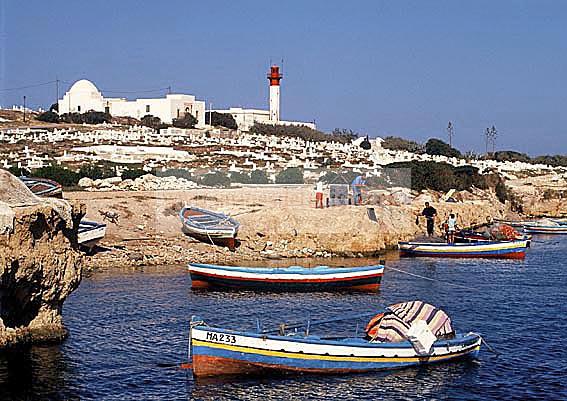
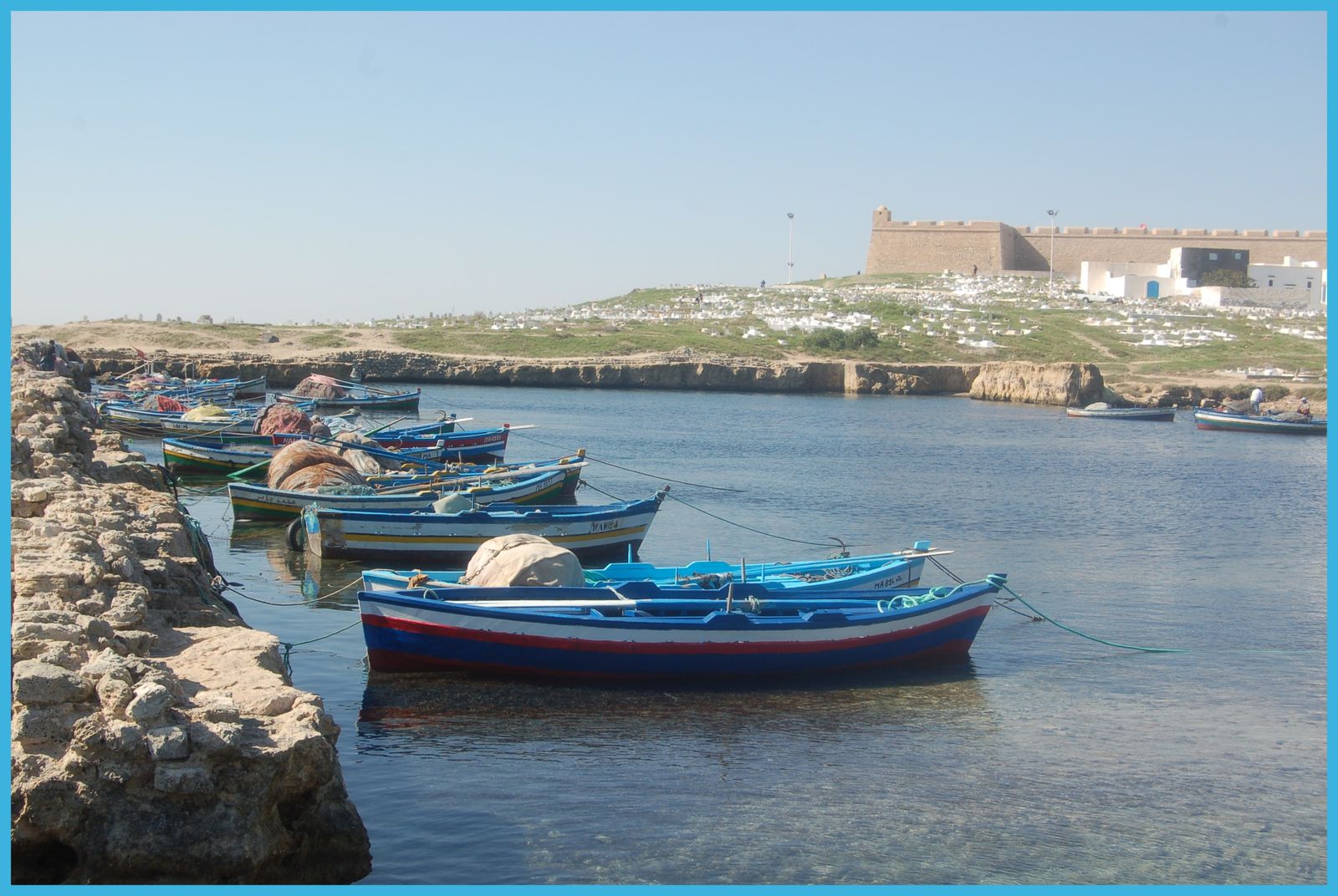
And continue the road to the semi-Bmhamat coast above the beach, which ends in the sea (b Qbodih head) with a small port in it, and the tower of the Old Middle Ages. Then follow the road through the green hills around Jbnaana until it reaches south to the city of Sfax.
Mahdia is characterized as an active center for fishermen, so established the fish canning industry, in addition to handicrafts and traditional craftsmanship.
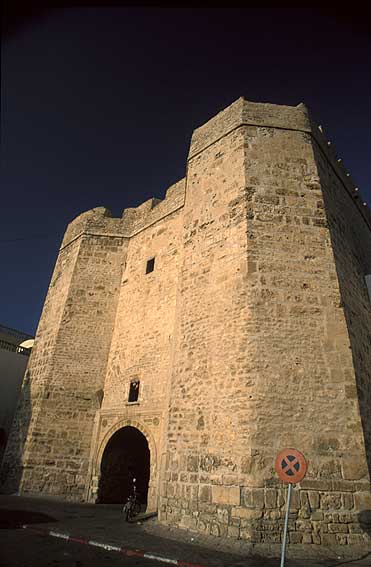
Ali Baba market turns gate to market Penthouse Kahla Ali Baba, like that contained in the stories of One Thousand and One Nights. During the weekly market held on Friday in the city, displays of women employed business for herself, embroidery, weaving, traditional clothing of their products end in beauty, made of silk Minsojathen doctrine, Musogathen traditional designs are varied. The visit of this market opportunity to get acquainted with these traditional industries feminism, which represents one of the hallmarks of the traditional industries of Tunisia. Occupies decking procedure of the homes Tunisian prominent place in Mahdia, in particular, where it becomes a real masterpiece, and it seems so obvious in the homes of the wealthy, especially in the approach Alhamzoat which has many beautiful houses built in the early twentieth century AD by members of one family. Featuring Mahdia so pomp traditional characteristic of cities Navy, it includes the port Fishing is one of the most important ports in Tunisia, and specializes catch fish sardines, depending on the lights at night, making summer nights in this city turn when leaving the fishing vessels towards the sea, to the occasions of joy beautiful, Yanar where the sea port and thousands of light bulbs, and become a beach city replaced a large movement at the dawn filament in the first days of summer, and the screams pierce the flanks fishmongers, and the arrival of hundreds of boxes of sardines and anchovy fish, which was caught on the high seas.